
Men and women differ in their capability to reach different goals, whether in the labor market or in the household. Disparities in the probability of 'success' persist despite decades of efforts to eradicate them. Understanding these gaps requires looking not only at labor market outcomes, but also at how families form and allocate roles, how stereotypes are transmitted, and how social perceptions of ability steer educational and occupational choices from an early age.
We invite papers studying gender inequality from the fields of economics, management, sociology, and social psychology. Research at the intersection of professional aspirations, household roles, and bargaining power is especially welcomed. The conference is open to empirical quantitative work, experimental studies as well as qualitative work. Empirical and experimental papers with strong theoretical foundations will be considered a priority, but studies advancing econometric and statistical tools measuring gender inequality as well as specific case studies are cordially invited as well. We invite papers on a broad range of issues, including but not limited to:
- evidence from field, laboratory and natural experiments;
- econometrics of estimating the gender gaps;
- determinants of gender gaps, such as labor market and other institutions, demographic processes, cultural changes and structural change;
- gender norms, stereotypes, and their role in occupational and educational sorting, including underrepresentation in STEM fields
- household division of labor, gender role attitudes, and their implications for labor supply and intra-household inequality;
- country, sector, occupational, regional as well as comparative studies;
- theoretical approaches to gender gaps in employment, wages, and other outcomes.
We aim to create a forum where scholars interested in the analysis of gender gaps in the labor market can present and discuss theoretical, empirical and policy-related research. The format of the conference accommodates for engaging communication about the invited papers: we plan approximately 30 minutes for a presentation and each paper will be assigned a discussant. We plan for plenary sessions, but in the case of many high quality papers submitted to the conference, we will organize additional poster sessions with ample space for discussion in a friendly atmosphere.
The keynote speakers are Cheti Nicoletti and Thomas Breda
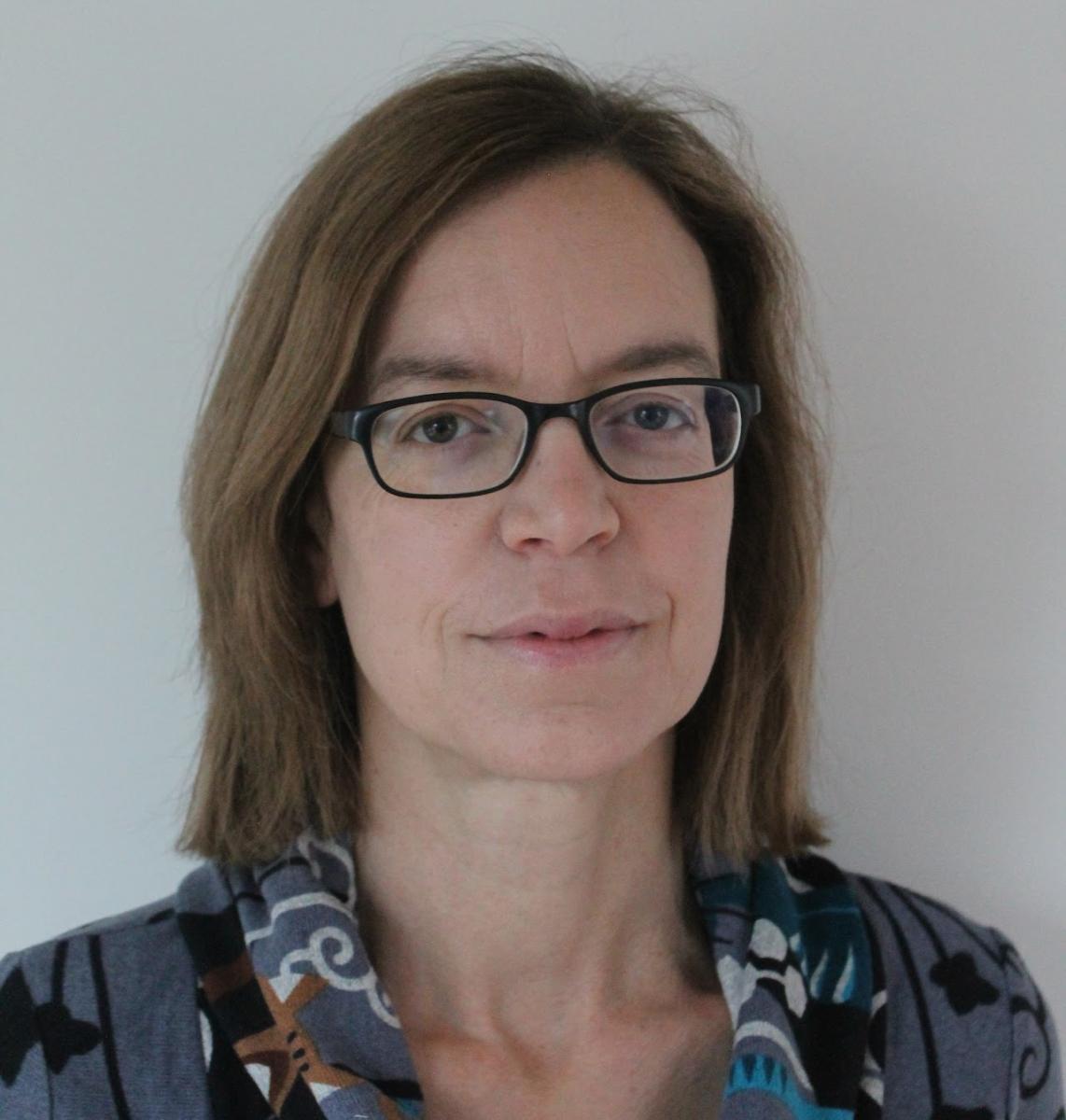
Cheti Nicoletti is Professor of Economics and Deputy Head of Department for Research at the University of York, where she is the Leader of the Applied Micro-Econometrics Cluster (AME). She is also an active member of the Women’s Committee of the Royal Economic Society. Her work lies at the intersection of applied micro‑econometrics, child development, education, gender economics, and social networks, with a strong focus on causal inference using longitudinal and administrative data. S Her research was published in leading journals such as the Journal of Labor Economics, Journal of Econometrics, Journal of Business & Economic Statistics, and Journal of Applied Econometrics, among others.

Thomas Breda is Associate Professor in Economics at the Paris School of Economics, a Senior Researcher at the Centre National de la Recherche Scientifique, and Senior Economist at the Institut de politiques publiques. His work lies at the intersection of labor economics, gender inequality, and education. His research explores causal mechanisms behind gender gaps in education and labor markets. He published in many leading journals such as Nature, The Review of Economic Studies, Science Advances, PNAS, AEJ: Applied economics, and the Journal of Economic Behavior & Organization.
Papers or extended abstracts should be submitted before July 15th, 2026. We are happy to address whichever questions you may have before that date. The decisions of the Scientific Committee will be distributed before July 14th, 2026. Full papers will have a priority over extended abstracts, but our aim is to construct a coherent and engaging event, giving all participants fruitful forum to exchange ideas and engage in scientific collaboration. The deadline for registration is August 19th.
There is a conference fee of 200 EUR to help cover costs related to catering. PhD students can apply for a reduced fee of 150 EUR.

Irena Kotowska is Head of Centre for Demography, Institute of Statistics and Demography, at the Warsaw School of Economics. She works as a professor in Economics and Demography, as vice-president in the Foundation for Polish Science, and as president of Demographic Sciences Committee in the Polish Academy of Sciences. She participates in an expert team developing the family policy programme at the Chancellery of the President of Poland. She represents Poland in European Statistical Advisory Committee at Eurostat and has been appointed a member of Expert Group on Social Investment for Growth and Cohesion at the European Commission.
Pamela Campa an Assistant Professor of Economics at Stockholm School of Economics (SITE). Pamela is also affiliated to the Mistra Center for Sustainable Markets (MISUM) and the Dondena Gender Initiative. Her research interests are Political and gender economics. Her research has been featured in Journal of Public Economics, Review of Economics and Statistics, and the American Economic Journal: Economic Policy to name a few.

Irene Van Staveren is head of the PhD programe and project leader of the online database Indices of Social Development at Erasmus University in Rotterdam and the Institute of Social Studies in Rotterdam. In addition, van Staveren is a member of the think tank Sustainable Finance Lab and she is on the editorial boards of the Journal of Economic Issues, Review of Social Economy, and Feminist Economics. She published in 2015 a pluralist economics textbook with Routledge, titled Economics after the Crisis – an introduction to economics from a pluralist and global perspective.
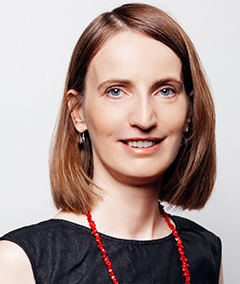
Iga Magda is an Associate Professor at the Warsaw School of Economics. She joined IZA as a Research Fellow in March 2018. Previously she worked at the Ministry of Labour and Social Policy, coordinating research projects and participating in EU/ OECD working parties on employment and social affairs. Her research is focused on the labour market, education, health and social policy, including family policies. She has authored and co-authored numerous publications in these fields.

Michał Myck is Director and Member of the Board of CenEA. He previously worked at the Institute for Fiscal Studies and at the DIW-Berlin. He was the Polish Country Team Leader for the Survey of Health, Ageing and Retirement in Europe (SHARE). He is currently associated as Privatdozent with Universität Greifswald. He is a Research Fellow at IZA Bonn and regularly cooperates with the World Bank. His research has focused on modelling of labour market behaviour and on the implications of labour market regulations on employment and retirement decisions. He has studied the effectiveness of tax and benefit systems and worked on issues related to measurement of poverty and income inequality.
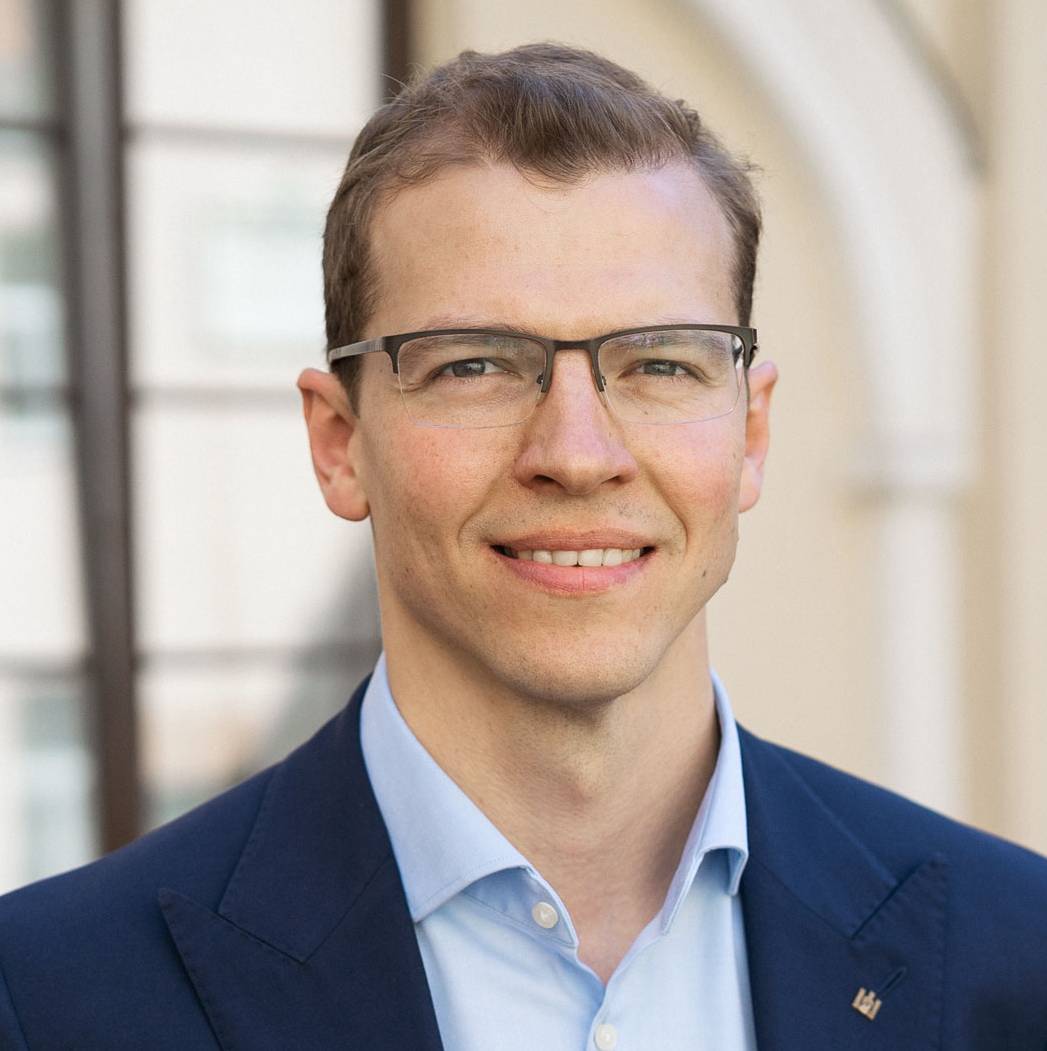
Linas Tarasonis is Vice Dean of the Faculty of Economics and Economics at Vilnius University and a Senior Research Economist at the Bank of Lithuania. He holds a PhD in Economics from Paris School of Economics since 2013 under supervision of Fabien Postel-Vinay (UCL). He has also worked as postdoctoral fellow at Aix-Marseille School of Economics from 2013 to 2016. His main research areas are Applied Microeconomics, Economics of Discrimination, and Labor Economics. His publications include articles in Economic Policy and Labour Economics. He is one of the founders and a board member of the Baltic Economic Association.

Joanna Tyrowicz is a professor of economics. SHe works at University of Warsaw and she co-founded GRAPE in 2011. Between 2007 and 2017 she served as an Economic Advisor at Economic Institute of National Bank of Poland, specializing in labor market and household issues. In 2009 she was a Fulbright Scholar at Columbia University, and in 2010 she was a Mellon Fellow at the Netherlands Institute for Advanced Studies. Her tenure book “Unemployment Hysteresis in Poland” was awarded the Prize for Best Economic Book of 2014 by Polish Economic Association. Her research interests concern empirical labor economics, inequality and social policy. She is an IZA Research Fellow. Her PhD was awarded by University of Warsaw, she also holds a degree from Katholike Universiteit Leuven.

Lucas van der Velde is an assistant professor at Warsaw School of Economics and a Researcher at GRAPE, where he joined in 2012. In 2019-2020 he was a Visiting Scholar at UC Berkeley, prior to that he has received the award for exceptional junior researchers from Ministry of Science and distinctions for his PhD thesis from University of Warsaw. He has published, among others, in Journal of Comparative Economics, Oxford Bulletin of Economics and Statistics as well as Journal of Economic Surveys. His work is centered on the issues of economic inequality and technology.
Scientific Committee will award a prize for the best paper by a graduate student.
Submissions due: July 15th, 2026
Acceptance notification: July 31st, 2026
Registration due: August 31st, 2026
Conference: September 18th - 19th, 2026
Should you have any question, please feel free to contact us by email.
The agenda for the conference is available under this link. Please check for the latest version.